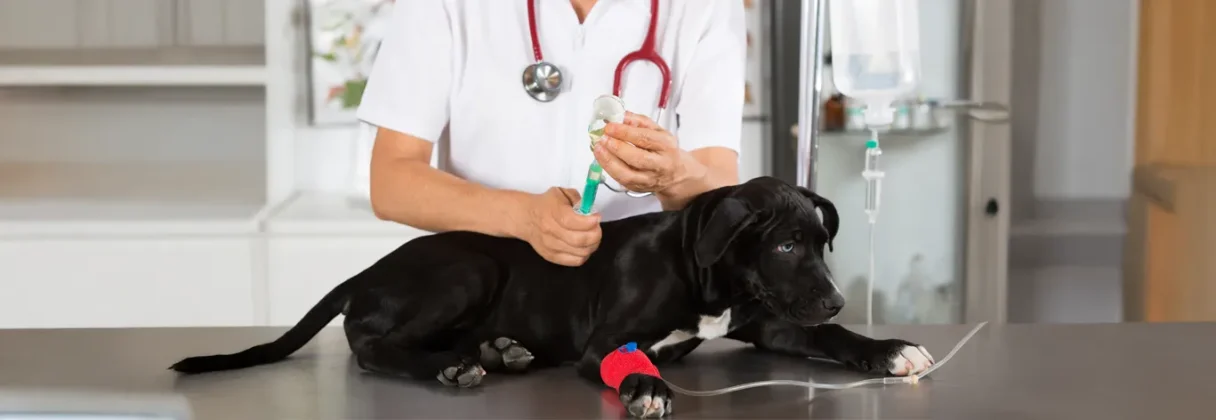
Early detection is key to keeping your dog healthy. Learn how to recognize subtle changes in behavior, appetite, and energy that may signal underlying health issues. Prompt attention and preventive care help support your dog’s immunity, digestion, and long-term wellbeing.
How to Spot Early Signs of Illness in Your Dog
Dogs are experts at hiding discomfort, which makes it important for pet parents to recognize early signs of illness. Subtle changes in behavior, appetite, or energy levels may indicate underlying issues that need attention. Early detection allows for timely care, helping your dog recover quickly and maintain long-term health.
Changes in Eating Habits
Sudden loss of appetite or unusually increased hunger may signal digestive issues, dental problems, or metabolic changes. Pay attention to:
Refusal to eat meals or treats
Difficulty chewing or swallowing
Sudden food guarding or unusual behavior at mealtime
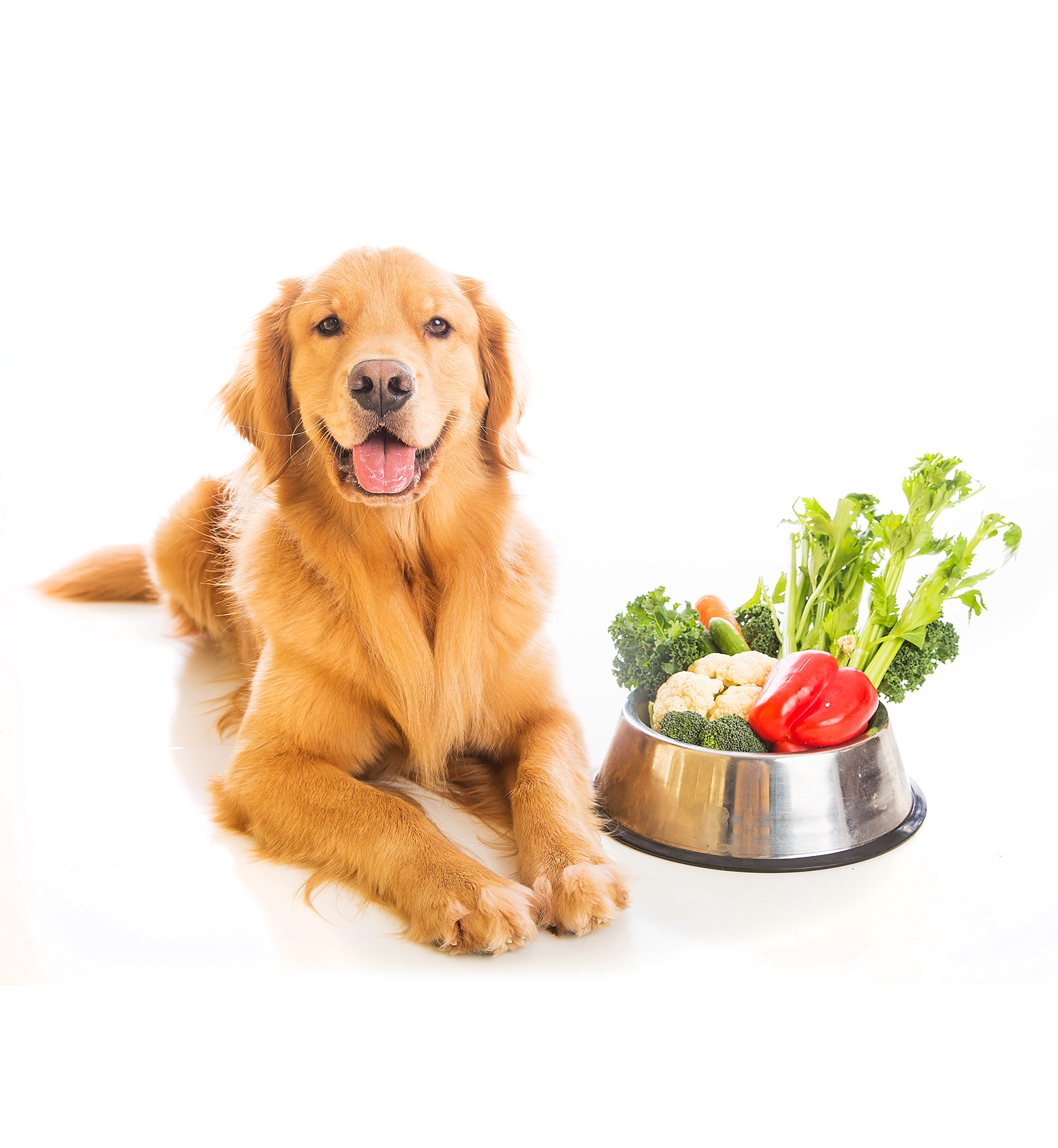
Consistent nutrition supports gut health and immunity, but appetite changes should never be ignored.
Shifts in Energy Levels
A drop in energy or unusual restlessness can point to underlying health concerns.
Lethargy or reluctance to exercise
Excessive sleeping or hiding
Restlessness, pacing, or inability to settle
While occasional tired days are normal, persistent changes in activity often warrant a veterinary check.
Digestive Irregularities
Digestive health is closely tied to your dog’s overall well-being. Watch for:
Loose stool or diarrhea
Vomiting
Gas, bloating, or abdominal discomfort
Changes in bowel movement frequency
Balanced adult dog food that supports gut health helps maintain regular digestion, but sudden or ongoing digestive upset may signal deeper issues.
Skin and Coat Changes
The skin and coat often reflect internal health.
Dry, flaky, or irritated skin
Excessive shedding or dull coat
Unusual itching or scratching
Functional ingredients like omega fatty acids contribute to skin and coat health, but persistent changes should be addressed.
Behavioral Changes
Emotional wellbeing can also shift with illness.
Increased aggression or withdrawal
Anxiety or clinginess
Sudden disinterest in usual activities
Behavior changes may be your dog’s way of signaling discomfort or stress.
Preventive Care Supports Early Detection
Regular health checks, consistent grooming, and a daily routine make it easier to notice subtle changes. Balanced dog food that strengthens gut health and immunity reduces risk of illness, helps strengthen your dog’s natural defenses, reducing the risk of illness.
The Bottom Line
As a pet parent, your attention is the first line of defense in protecting your dog’s health. By recognizing early signs of illness and seeking timely care, you support your dog’s long-term wellbeing, helping them stay active, comfortable, and happy.